
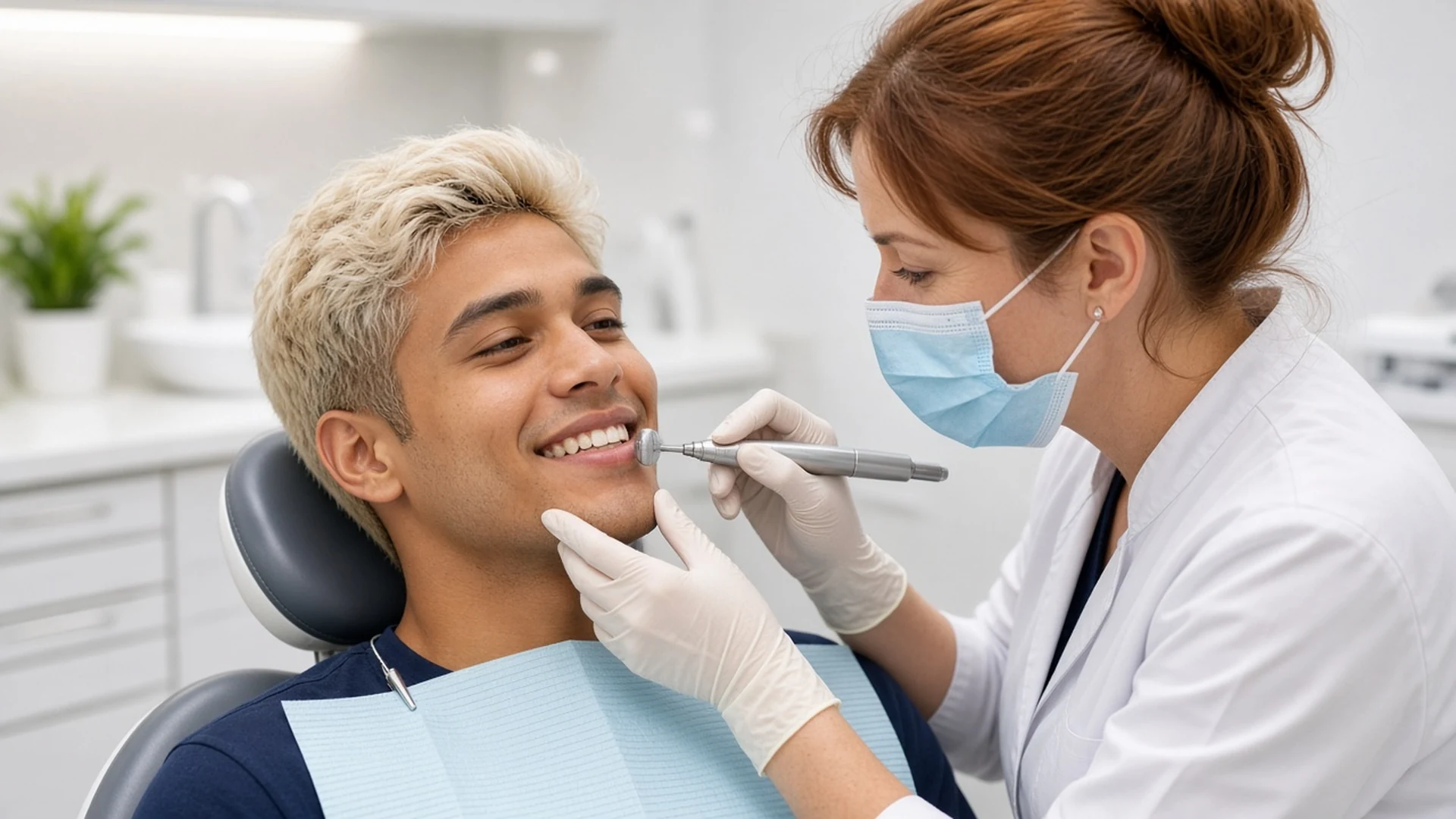
Cosmetic Fillings (Dental Bonding)

Bonding uses adhesive composite for single-visit repair of chipped edges, small gaps and minor shape defects. MusicaDent assesses suitability with minimal tooth structure removal in mind.

What is dental bonding?

Bonding shapes composite attached to a tooth with an adhesive system to make limited cosmetic corrections. It focuses on chipped edges, small gaps and minor shape deficiencies that can often be treated in one visit.

Unlike detailed multilayer anterior restorations or fillings within comprehensive smile design, its priorities are speed, minimal intervention and local repair.
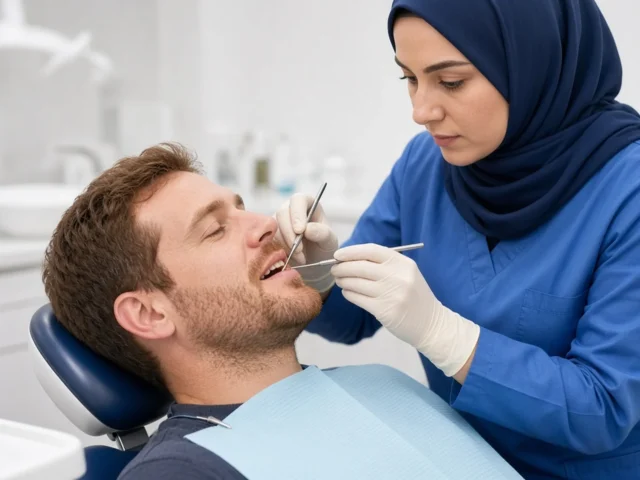

Who may be suitable?

It may suit patients with limited damage and realistic expectations. Significant skeletal or orthodontic problems may need orthodontics or veneers instead. Suitability is determined by clinical examination.

What does the process involve?

  • Shade selection and brief photographic records
  • Surface preparation and adhesive application
  • Composite layering, shaping and polishing

Most cases are completed in one visit, although bite height or bruxism may require additional precautions.

Benefits

  • Efficient treatment
  • Minimal tooth preparation
  • Repairability

Points to consider

Staining and fracture risks are higher than with porcelain. Avoid biting hard objects; a protective guard may be considered for night-time clenching. Longevity is not guaranteed.

The MusicaDent approach

At our Kurtköy clinic, we explain bonding as an alternative or interim option alongside veneers or orthodontics. We discuss your expectations and the material’s limitations together.

Remember that page content is educational. Individual decisions follow examination.

You can book an appointment to assess your suitability for bonding.

Frequently asked questions

Does it last as long as a veneer?
Generally not; the materials and indications differ. Veneers or crowns may be discussed where greater durability is needed.
Can it be combined with whitening?
Whitening often comes first, followed by shade matching. The sequence is planned at examination.
When will it need replacing?
Use, hygiene and bruxism affect longevity; reviews guide the decision.
How does it differ from multilayer anterior fillings?
Bonding focuses on quick local repair; multilayer anterior restorations focus on symmetry and the appearance of depth.
Message Us on WhatsApp